Search Deals onNikiski Vacation Packages
Nikiski Flight + Hotel Packages
Price found within the past 48 hours. Click for updated prices.
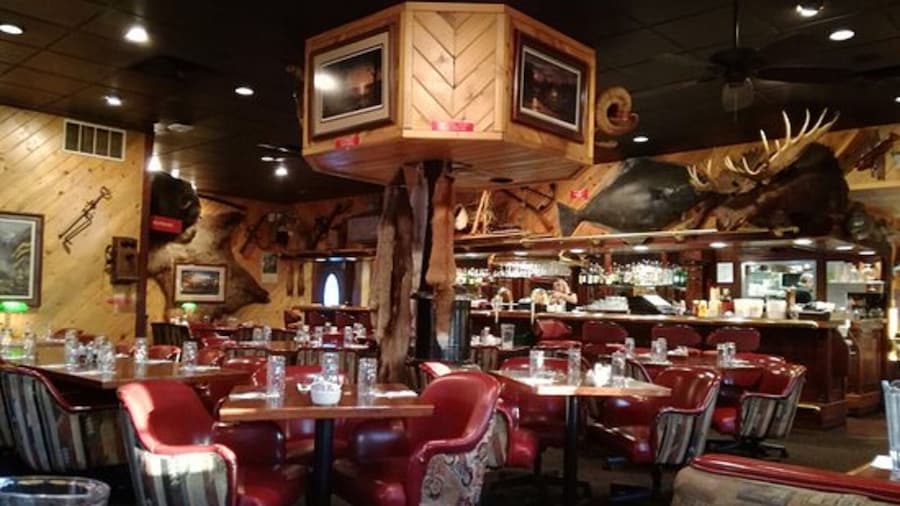
Uptown Motel Kenai
Price was $400, price is now $368 per person
$368
per person
Dec 4 - Dec 6
found 1 day ago
Roundtrip flight included
Seattle (SEA) to Kenai (ENA)
Stay at this motel in Kenai. Enjoy free WiFi, free parking, and breakfast (surcharge). Our guests praise the helpful staff in our reviews. Popular attractions Leif Hansen Memorial Park and Kenai Public Library are located nearby.
Like the old style of the hotel and their keys, but they lack amenities. Just direct TV no other viewing options. Menu didn't state only break between times. Bar and restaurant were closed.
Reviewed on Sep 21, 2026
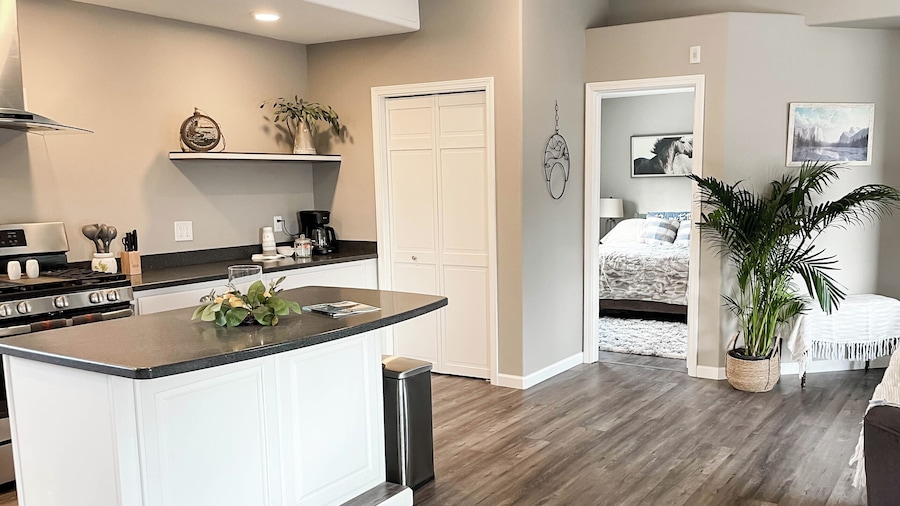
ALASKA LAKE and LODGE AT LONGMERE
Price was $523, price is now $438 per person
$438
per person
Dec 4 - Dec 6
found 1 day ago
Roundtrip flight included
Seattle (SEA) to Kenai (ENA)
Stay at this lodge in Soldotna. Enjoy free WiFi, free parking, and daily housekeeping. Popular attractions Longmere Lake and Morgan's Landing State Recreation Area are located nearby.
Had a wonderful stay here. Very nice place with a full size kitchen..bedrooms were large and a very nice living room to relax in during the evening. Definitely will be staying here again.
Reviewed on Aug 28, 2026

Aspen Hotel Soldotna
Price was $483, price is now $443 per person
$443
per person
Dec 4 - Dec 6
found 1 day ago
Roundtrip flight included
Seattle (SEA) to Kenai (ENA)
Book a stay at this business-friendly hotel in Soldotna. Enjoy free WiFi, free parking, and a fitness center. Our guests praise the helpful staff and the clean rooms in our reviews. Popular attractions Soldotna Creek Park and Phormation Chiropractic & Day Spa are located nearby.
We were very impressed with staff. They were so kind and helpful. Only wish they served breakfast but Ginger close by was very good. We plan on choosing this hotel again when visiting Alaska.
Reviewed on Sep 22, 2026

Aspen Extended Stay Suites Kenai
Price was $474, price is now $439 per person
$439
per person
Dec 4 - Dec 6
found 1 day ago
Roundtrip flight included
Seattle (SEA) to Kenai (ENA)
Book a stay at this business-friendly hotel in Kenai. Enjoy free WiFi, free parking, and a business center. Our guests praise the helpful staff and the clean rooms in our reviews. Popular attractions Kenai Public Library and Leif Hansen Memorial Park are located nearby.
All was ok, but the older model A/C was very noisy, making it hard to sleep.
It was a comfortable stay.
Reviewed on Sep 14, 2026

Alaska Legends Kenai River Lodge
Price was $1,627, price is now $1,518 per person
$1,518
per person
Nov 29 - Dec 4
found 1 day ago
Roundtrip flight included
Chicago (ORD) to Kenai (ENA)
Stay at this lodge in Soldotna. Enjoy free WiFi, free parking, and breakfast (surcharge). Popular attractions Bings Landing and Scout Lake State Recreation Site are located nearby.
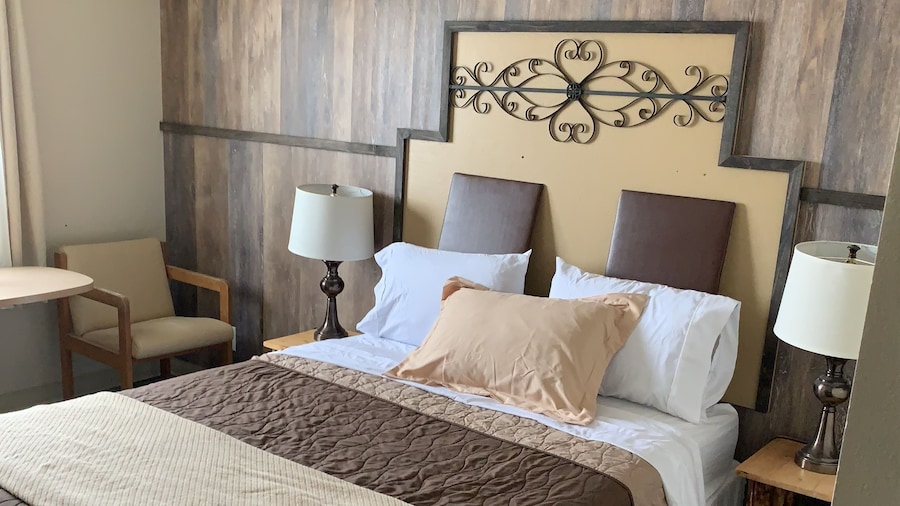
Alaska Angler's Inn
Price was $405, price is now $383 per person
$383
per person
Dec 4 - Dec 6
found 1 day ago
Roundtrip flight included
Seattle (SEA) to Kenai (ENA)
Stay at this hotel in Soldotna. Enjoy free WiFi, free parking, and a fireplace in the lobby. Our guests praise the helpful staff in our reviews. Popular attractions Soldotna Homestead Museum and Centennial Park are located nearby.
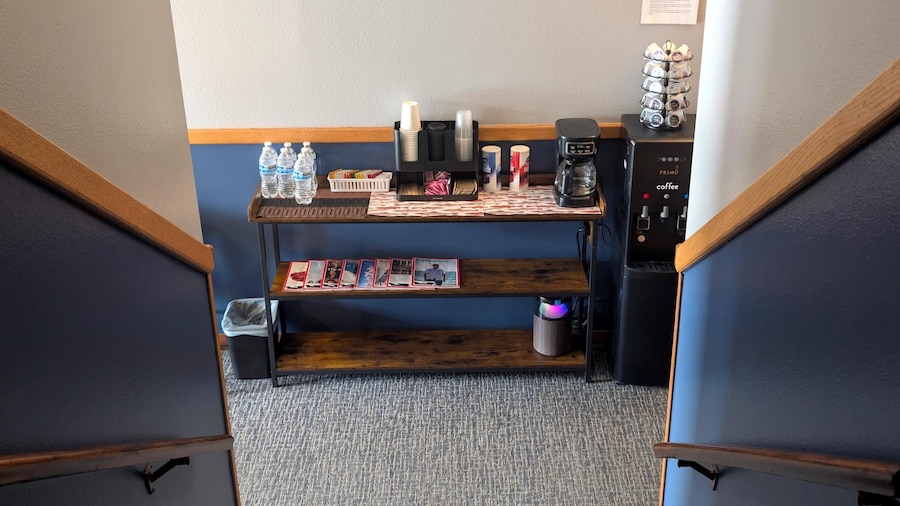
The Hibernation Station
Price was $564, price is now $538 per person
$538
per person
Nov 7 - Nov 10
found 1 day ago
Roundtrip non-stop flight included
Tucson (TUS) to Kenai (ENA)
Stay at this motel in Sterling. Enjoy free WiFi, free parking, and housekeeping. Popular attractions Scout Lake State Recreation Site and Morgan's Landing State Recreation Area are located nearby.
Staff was very helpful , clean room and parking is easy
Reviewed on Aug 30, 2026

Hotel Seward
Price was $949, price is now $908 per person
$908
per person
Dec 17 - Dec 21
found 1 day ago
Roundtrip flight included
Portland (PDX) to Kenai (ENA)
Book a stay at this historic hotel in Seward. Enjoy free WiFi, free parking, and a free cruise terminal shuttle. Our guests praise the helpful staff and the comfy beds in our reviews. Popular attractions Seward Community Library & Museum and Chugach Heritage Center are located nearby.
Nikiski Vacation Packages 3-4 Night Stays
Price found within the past 48 hours. Click for updated prices.
Nikiski Vacation Packages 5-7 Night Stays
Price found within the past 48 hours. Click for updated prices.
Top Flight Deals
Prices found within past 7 days. Prices and availability subject to change. Additional terms may apply.

Sun, Nov 22 - Fri, Nov 27
ANC
Ted Stevens Anchorage Intl.
ENA
Kenai Municipal
$315 Roundtrip, found 7 hours ago
$315
Roundtrip
found 7 hours ago
Discover Other Travel Deals
- Las Vegas Vacations
- Cancun Vacations
- Miami Vacations
- Corona Vacations
- Cabo San Lucas Vacations
- Disneyland Park Vacations
- New York Vacations
- Honolulu Vacations
- Los Angeles Vacations
- Maui Vacations
- Orlando Vacations
- New Orleans Vacations
- Canada Vacations
- Tulum Vacations
- Bali Vacations
- Maldives Vacations
- Clearwater Beach Vacations
- Denver Vacations
- South Beach Vacations
- Key West Vacations